CNG Safety
Choose your CNG system around the vehicle model, engine and emission standard. Follow five clear stages, from choosing an approved system to safe refuelling, documentation and ongoing care. Share these checks with every driver of your vehicle.
Check my vehicle & documents ↗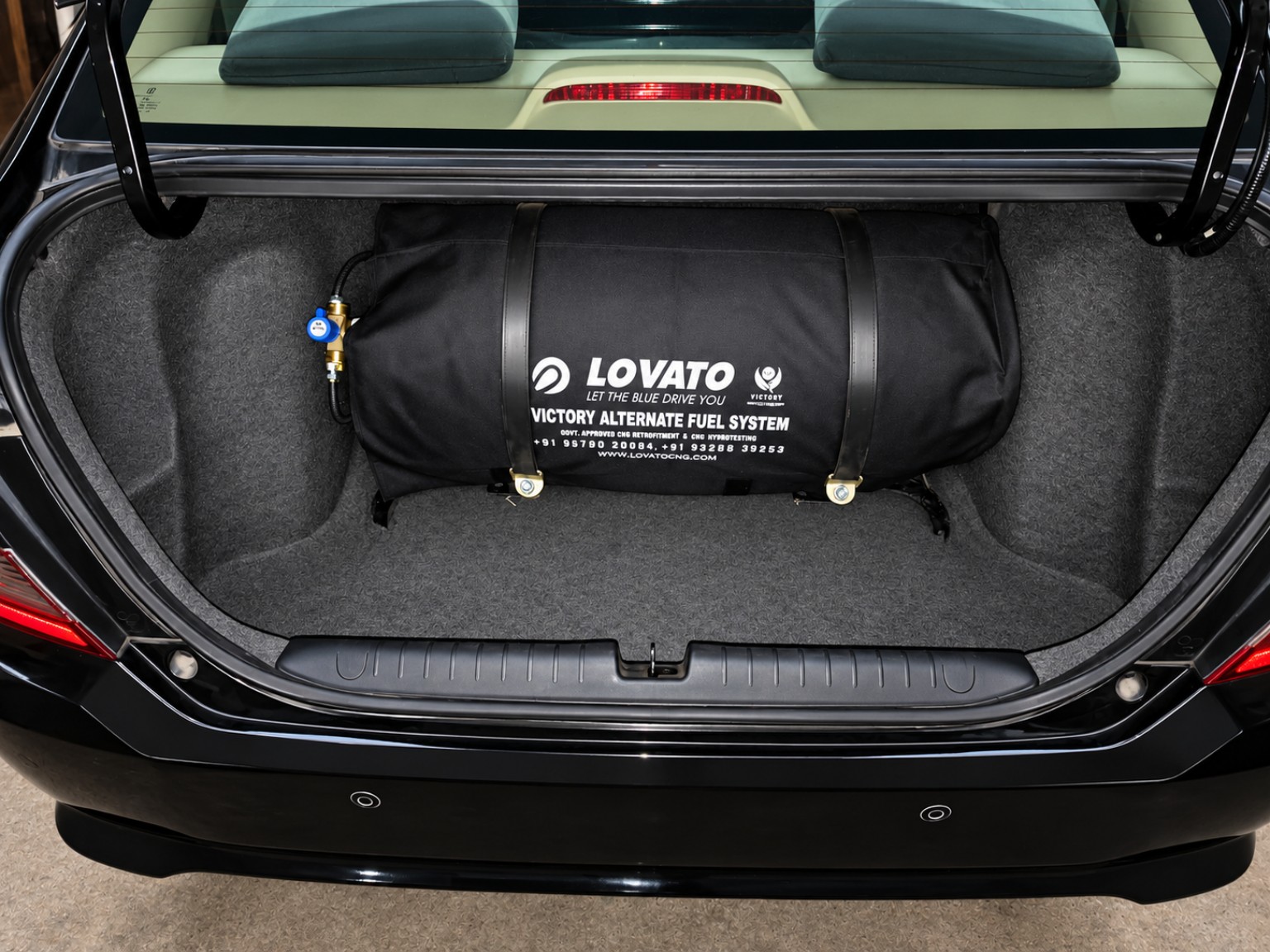
Arrive prepared.
Make a clear decision.
Start with your vehicle
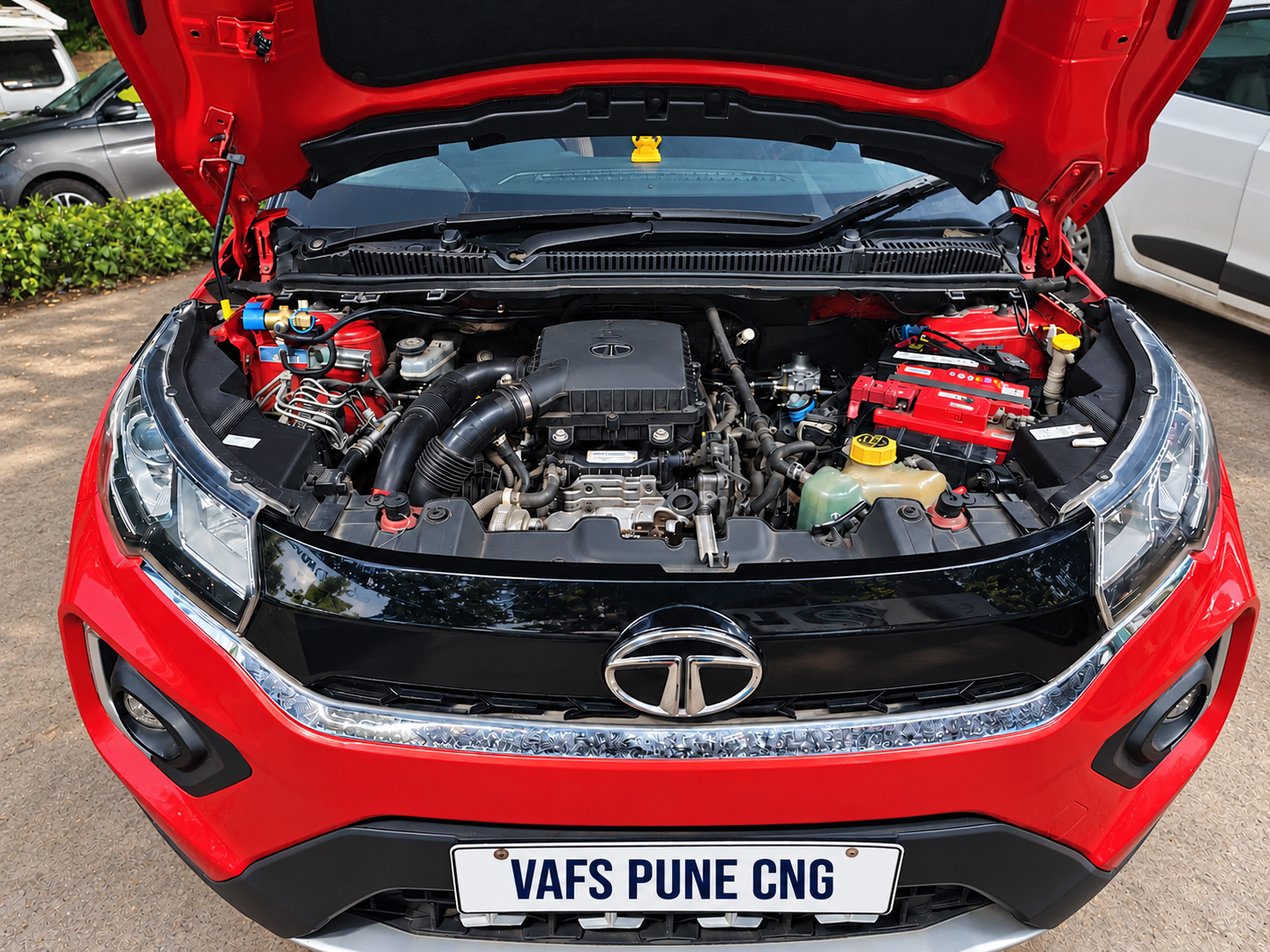
Share the car model, manufacturing year, fuel type, engine details and emission standard. The recommendation depends on the exact vehicle and applicable kit approval.
Check your Vahan record
Confirm that the emission standard shown in your RC/Vahan record matches the vehicle. If details are missing or incorrect, ask the RTO about correction before booking.
Keep your mobile number current
Ensure you can access the mobile number registered with your vehicle record. Online alteration services use mobile verification/OTP.
Vehicle loan still active?
Arrange the bank/financier NOC for the alteration and RTO endorsement process. Confirm the required format and documents with VAFS and your registering authority.
Agree the installation scope
Discuss cylinder capacity and mounting, gas-line routing, wiring, ECU calibration, leak checks, road assessment and the documents provided at handover.
Choose a suitable, approved kit
Check the vehicle-specific application and approval, kit identification and cylinder documentation. Do not assume that one kit or cylinder arrangement fits every vehicle.
Inspect the fitment.
Understand your system.
Complete RC endorsement
Follow the registering authority’s alteration/retrofitment process and complete the CNG fuel endorsement in the RC with the required compliance documents.
Match the kit and component records
Compare the installed ECU, reducer, injectors and cylinder identifiers with the invoice and component identification record (NIC, where supplied). Ask the installer to resolve any mismatch before handover.
Track the cylinder test due date
PESO’s CNG testing notice specifies periodic examination and testing every three years. Confirm the due date from cylinder markings and test records, using a PESO-approved testing station.
Inspect cylinder mounting and capacity
Ask the installer to show the secure mounts, protected valve and approved cylinder quantity and water capacity. Cylinder layout must follow the approved vehicle configuration; do not add cylinders or increase capacity without approval.
Review installation checks
Ask for the completed leak-test and fitment checks. Discuss protected gas lines, wiring, filling connection, ECU calibration, diagnostic checks and the road assessment appropriate to your kit.
Learn the controls before driving
Have the technician demonstrate the fuel selector, warning indications and shut-off valve location. Take the kit manual, warranty terms and service schedule; never dismantle a pressurised fitting yourself.
Keep every record.
Check every detail.
RC and insurance
Complete the CNG fuel endorsement through your RTO. Notify your motor insurer about the conversion and arrange the appropriate cover. Keep the PUC and other vehicle records current.
Compliance plate
Check that the CNG compliance plate is fitted and legible. Its installation and cylinder details should agree with the approved records. Ask the installer to explain each entry.
Cylinder identity and certificates
Check the manufacturer, serial number, manufacture date, approved capacity and test markings against the cylinder documents. Obtain the applicable manufacturer/initial inspection records and subsequent hydrotest certificate; confirm the requirements with the installer or testing station.
A folder for every visit
Keep the endorsed RC, installation invoice, component record and valid cylinder test documents accessible. Present the required records to the filling attendant and cooperate with inspection; missing or expired records may prevent filling.
Stop. Step out.
Refuel with care.
Check validity before joining the queue
Do not refill an overdue, damaged or suspect cylinder. Arrange testing before the due date through a PESO-authorised agency and ensure the certificate matches your cylinder.
Let everyone step out
Passengers should alight at the station entrance and wait in the designated safe area. Ensure nobody remains inside the vehicle during filling; follow the attendant’s directions.
Park securely and switch off
Park in the designated filling bay, apply the handbrake and switch off the engine and ignition. Keep the vehicle stationary until the attendant clears you to move.
No smoking, flames or phones
Do not smoke, light a flame or use a mobile phone in the filling area. Keep flammable goods away and follow the station’s safety signs.
Allow the attendant to fill
Check that the dispenser starts at zero. Let trained staff connect and operate the equipment. Do not interfere with the nozzle or request filling beyond the approved limit.
Wait for a clear handover
Move only when filling has stopped, the nozzle is disconnected and the attendant confirms it is safe. If you notice an abnormal smell or leak, alert staff immediately and stay clear.
Stay alert.
Keep testing on time.
Book inspection before a problem grows
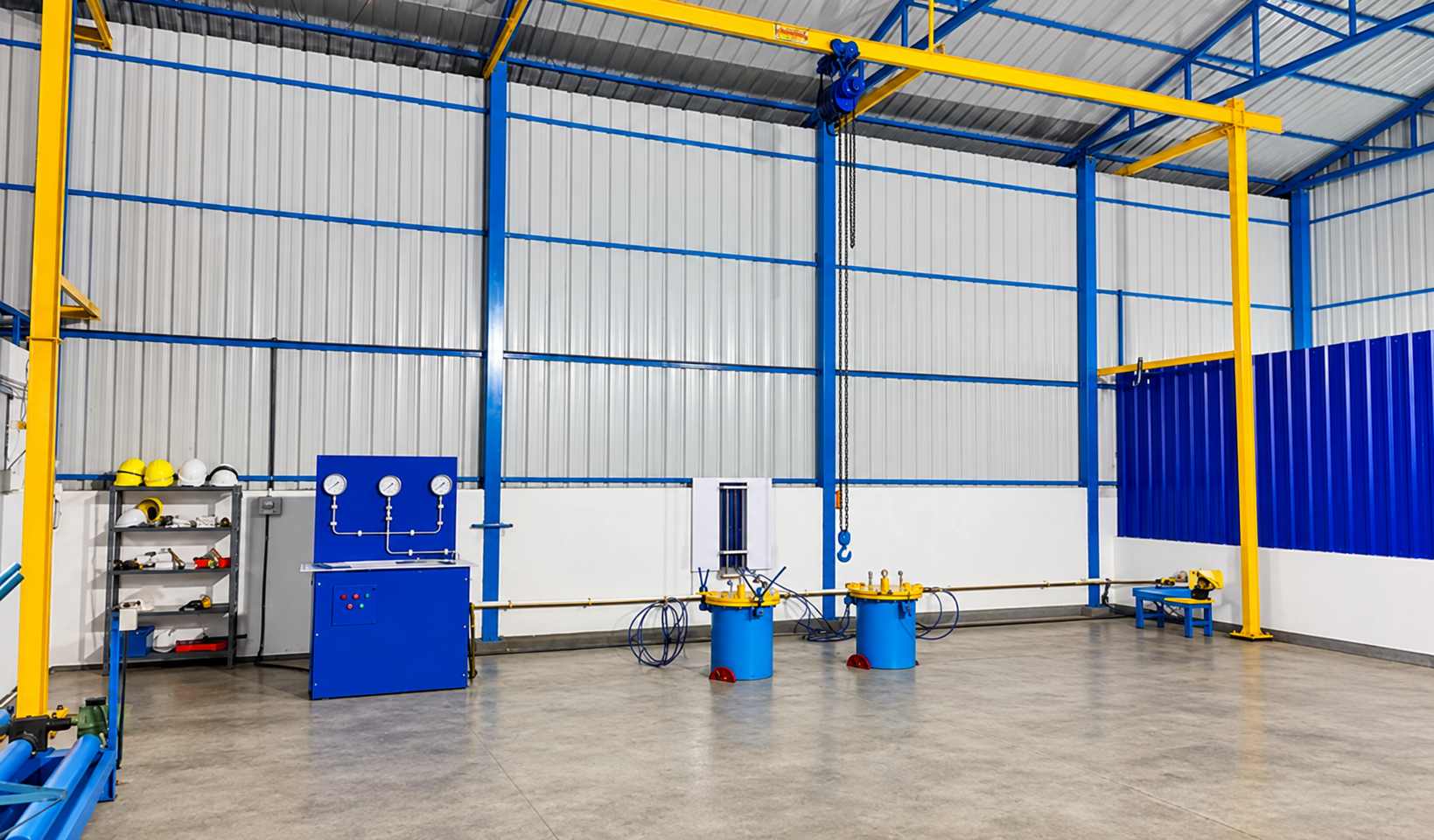
Follow the kit and vehicle service schedules. Ask an authorised technician to inspect the gas system and cylinder for leaks, damage and mounting condition. Do not tighten, weld or modify high-pressure parts yourself.
Retest on time
CNG vehicle cylinder testing is normally required every three years. Confirm your exact due date and cylinder service life from its markings and records with a PESO-authorised testing station; a passed test does not extend the manufacturer’s service life.
Tell the workshop about your CNG system
Inform any repair workshop before body repairs, welding or heat work near the cylinder. A qualified facility must make the system safe before such work. Arrange inspection after damage or a significant impact.
Stop using the vehicle.
Put people first.
- Keep people clear. Stop in a safe location if driving, switch off the engine when safe and move everyone away from the vehicle and ignition sources.
- Do not investigate a leak yourself. Do not restart, smoke, operate electrical equipment near the suspected leak or try to repair pressurised parts. A shut-off valve should only be operated if you have been trained and it is safe to approach.
- Get qualified help. Alert the filling attendant if at a station. Contact emergency services for immediate danger from a safe location; arrange professional inspection before the vehicle is used again.
VAFS workshop contacts below are for installation and service enquiries. They are not a substitute for emergency services.
योग्य किट.
सुरक्षित प्रवास.
योग्य किटच्या शिफारशीसाठी गाडीचे मॉडेल, उत्पादन वर्ष, इंधन प्रकार आणि उत्सर्जन मानक सांगा. वाहनाच्या नोंदीतील मोबाईल क्रमांक अद्ययावत ठेवा. वाहनावर कर्ज असल्यास बँक/वित्त संस्थेचे ना-हरकत प्रमाणपत्र आणि आवश्यक कागदपत्रांची माहिती आधी घ्या.
फिटमेंटनंतर RC मधील CNG नोंद, बसवणीची कागदपत्रे आणि सिलिंडरच्या तपासणीची तारीख तपासा. गॅस भरताना सर्वांनी गाडीबाहेर उतरा, इंजिन बंद करा, हँडब्रेक लावा आणि मोबाईल, धूम्रपान किंवा उघडी ज्योत टाळा. गॅसचा वास किंवा गळती जाणवल्यास वाहन वापरू नका; सुरक्षित अंतरावर जाऊन मदत घ्या.
Share your vehicle details.
Car model · Manufacturing year · Fuel type
+91 92256 67999+91 95790 20084Get directions to Wakad ↗Check the source.
Confirm your requirements.
Guidance reviewed on 27 October 2026. The registering authority, approved testing station and applicable vehicle/cylinder standards determine the documents and procedure for your case.
- Parivahan · request and permission for alteration (Form 22C) ↗
- Parivahan · endorsement of alteration (Form 22D) ↗
- Maharashtra Transport · RTO document guidance ↗
- PESO · CNG cylinder testing notice ↗
- PNGRB · responsibilities of CNG consumers and refuelling precautions ↗
- IGL · CNG vehicle care, insurance and periodic testing ↗
- MoRTH · AIS-024 / AIS-028 CNG installation safety standard ↗